New play
The Makeup
Artist
A play about contradiction, inheritance, and the ferocious human need to be seen accurately.
Beauty can protect us
and imprison us.
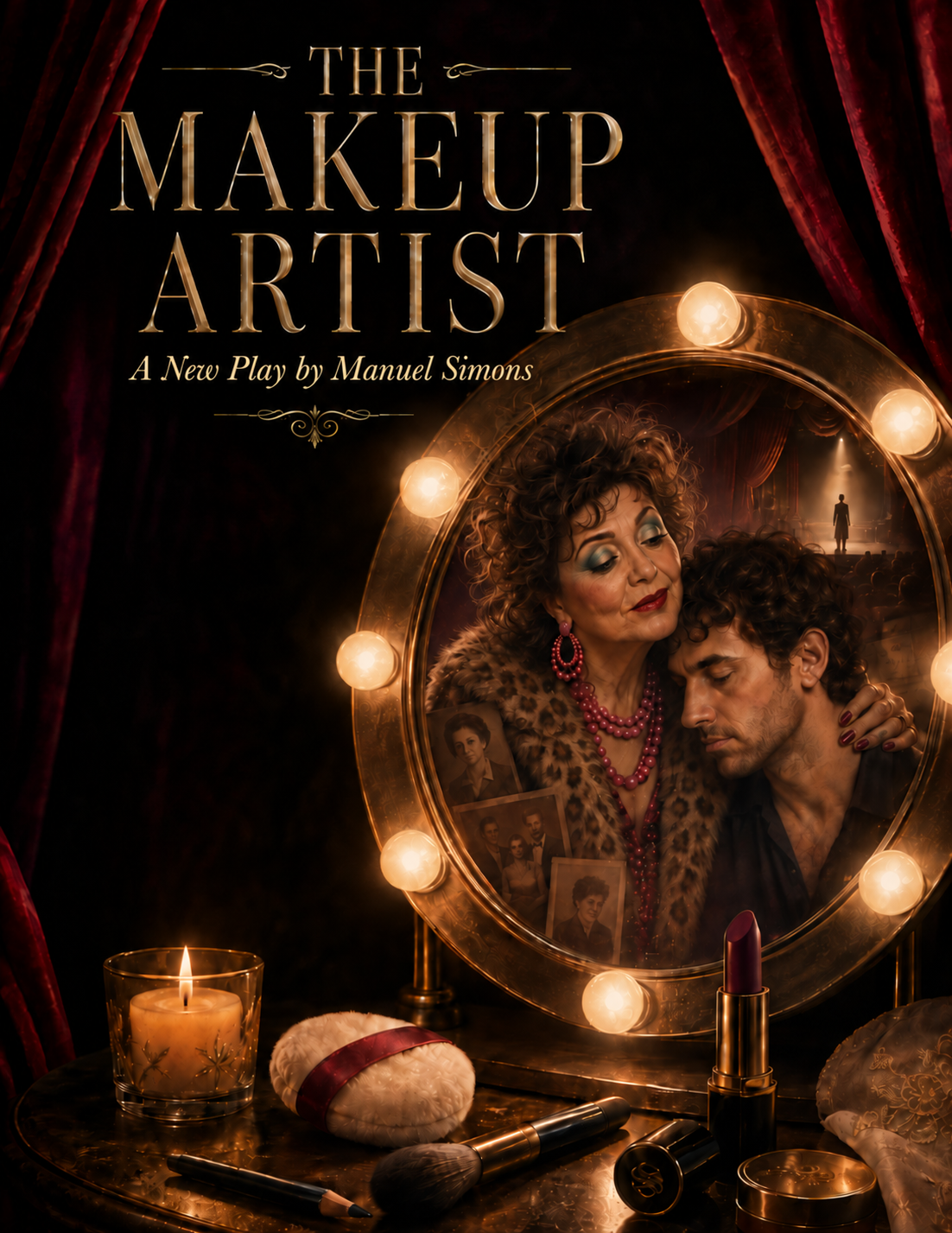
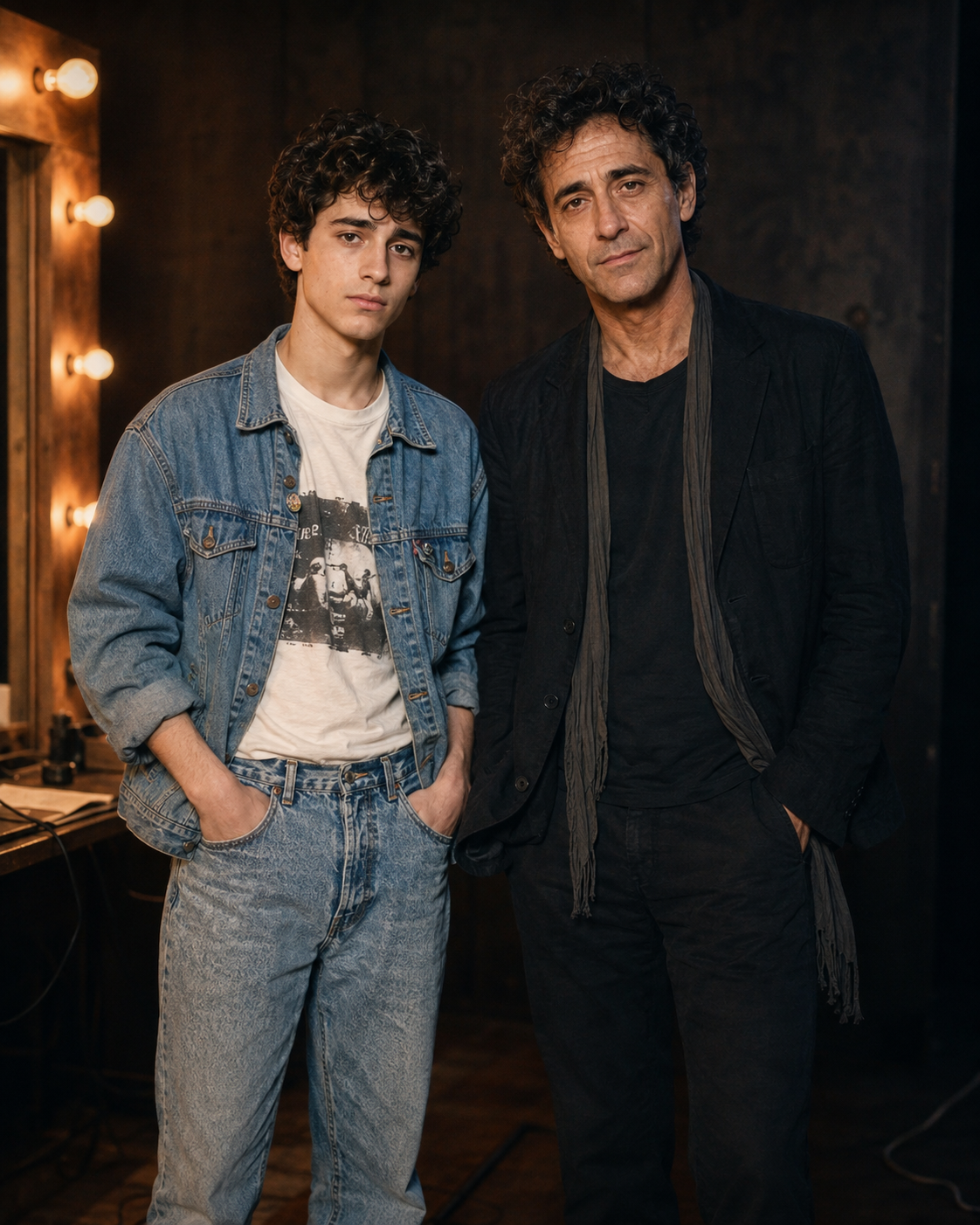
The Makeup Artist began as an attempt to understand apparent contradictions in the nature of a parent/child relationship. At its center is a son and his mother: a woman who loved him fiercely, beautifully, destructively, and beyond reasonable boundaries; and a son who spends much of his life trying to distinguish love from enmeshment, tenderness from injury, and devotion from disappearance. The play asks whether it is possible to forgive a parent who caused real harm without diminishing the harm itself. It explores what we inherit from our families, what we survive, what we repeat, and what we finally learn to set down.
The inspiration for the piece comes from several interwoven places: ancestral history and the unique ways that beauty rituals can become a language of intimacy; the theatricality of memory; the complicated legacy of Jewish survival; the AIDS crisis; queer coming-of-age; and the strange, sometimes sacred, sometimes suffocating ways a child can become a parent’s witness. The world of the play is both domestic and mythic. Kitchens, bathrooms, hospitals, dressing tables, and bedrooms become sites of revelation. Makeup becomes not simply adornment, but a way of seeing, concealing, surviving, transforming, and telling the truth.
“The past does not behave politely.”
Formally, the play lives between realism and theatrical rupture. It uses direct address, memory, doubling, ghosts, humor, ritual, and metatheatrical interruption. The protagonist, Jacob, is not only remembering his life; he is staging it, revising it, resisting it, and being challenged by the very characters he believes he has created. His mother, Roz, refuses to remain where he has put her. The past does not behave politely. It interrupts. It sings. It applies lipstick. It breaks the frame of memory and talks back.
The play moves through difficult material: parent/child boundary violations, homophobia, compulsive sexual behavior, illness, grief, and intergenerational trauma, but it is not a play about damage alone. It is also a play about wit, glamour, artistry, humor, survival, queer imagination, and the ferocious human need to be seen accurately.
What feels most pertinent is that The Makeup Artist is a play about contradiction. It refuses the comfort of a single explanation. A mother can be loving and harmful. A child can be cherished and burdened. Beauty can protect us and imprison us. A family can be both a refuge and a site of danger. Forgiveness, if it comes at all, cannot be sentimental. It must pass through truth.
THE PLAY REFUSES the comfort of a single explanation.
Begin a conversation ↗